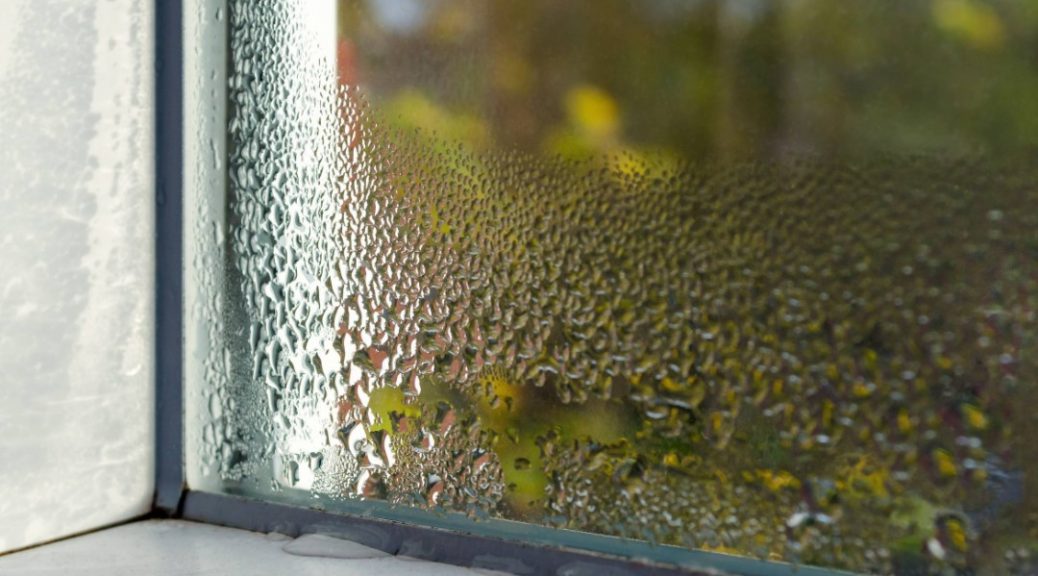
How to Stop Moisture From Getting Inside Your Basement
Whether you’re repairing your basement or adding on to your home, you need to know how to stop moisture from getting inside. You can use a dehumidifier, insulation, and a sump pump to do this.
Keep reading for more information.
Insulate pipes
Insulating pipes is a great way to keep moisture from getting inside your basement by preventing leaks and condensation. Whether you live in a new home, or a house that’s been around for years, you can save money and prevent headaches later.
To insulate your pipes, you need to first clean the surface of the pipe. This will help the insulation to adhere better. You also need to cut the insulation to fit the length and diameter of the pipe.
After cutting, you need to wrap the insulation around the pipe. You can do this by gluing, or using a metal clamp. You should then overlap the insulation by about half an inch. Once you’ve completed the wrapping, you can apply tape or duct tape to secure it.
Insulating pipes is an easy do-it-yourself project. You can do it on a Saturday afternoon if you want. Just make sure to follow the directions of the manufacturer.
To insulate pipes, you can either buy pre-slit foam insulation or make your own. To do the latter, you’ll need scissors, a utility knife, and a plastic strip.
Install a sump pump
Having a sump pump installed in your basement can help prevent the damage that can occur from a flood. It also improves the quality of your indoor air. You will be able to avoid mold and mildew which can cause serious health problems.
Having a pump installed can save you thousands of dollars if you have a flood. It can help prevent mold, mildew, and structural damage. Water in your basement can also cause damage to your home’s electrical system.
You should have a GFCI outlet near your sump pump. This outlet prevents electric shock, which is especially important for your sump pump.
You should also have a float switch. This is a small switch that activates the pump when it detects that the water level in the sump pit is above a certain level. Having a float switch can help you get the pump working in case of an emergency.
You should install a sump pump at the lowest point in your basement. If you do not have a basement, you can install one in a crawl space. A foundation and basement waterproofing professional can lend a hand with installation.
Add a dehumidifier
Adding a dehumidifier to your basement is an easy way to help stop moisture from getting inside of your home. These devices work by removing water from the air.
Depending on the area where you live, your basement may experience higher humidity than the rest of your house. This can cause problems for a number of household items. It can also affect the structural integrity of your home.
One of the most obvious signs of excessive humidity in your basement or crawl space is mold or mildew. These can be gray or black in color and can cause health problems. They can cause allergies and asthma. They can also release spores into the air.
Another sign of excessive humidity in your basement is water stains. These can be on the walls or on the floor. If you see them, you will need to check your pipes and foundation. If you have a leak, you should fix it before it gets worse.
Remove efflorescence from concrete walls before applying sealer
Efflorescence can be a sign that water is leaking into your basement. If you find that you have it, you need to take action. There are several ways to remove it, but it is important that you know what you are doing.
First, you need to identify the source of the problem. Using a home inspector can be helpful. You can also use a garden sprayer to dissolve it. However, you should use caution when using a pressure washer. If it is too strong, it could damage the surface of your wall.
Second, you need to clean the wall. This can be done with a hose and spray outside, or with a bucket of warm water. You can use a scrub brush for dry surfaces. You can also use vinegar. But keep in mind that it will damage the concrete over time.
If you still have efflorescence after cleaning the wall, you need to treat it. You can use a mild muriatic acid solution. If the solution is too strong, you can add baking soda to neutralize it. You will need to soak the bricks for at least five minutes. After this, rinse the wall with clean water.





 When someone is looking to take on a bathroom remodeling project to create an accessible bathroom, it is important for them to know what changes need to be made to the bathroom. It is important for a person to know the best way of creating a bathroom for elderly individuals.
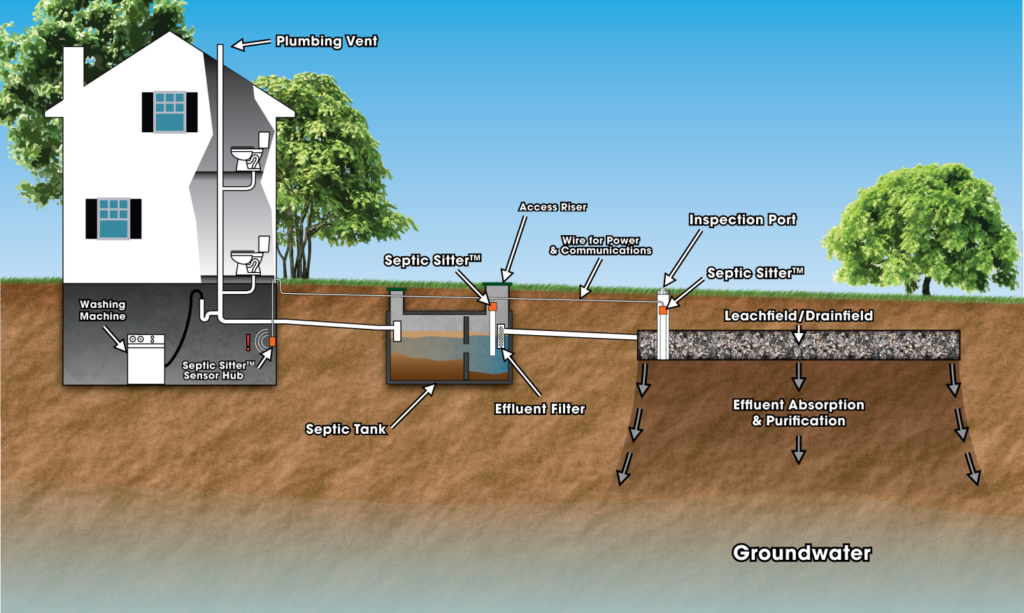 A septic tank tells a lot about the sanitation condition and habits of a home. A good septic tank that is maintained and not damaged can serve a family for many years. It is up to the homeowners to take care of the septic tank to ensure that it is in good condition.